
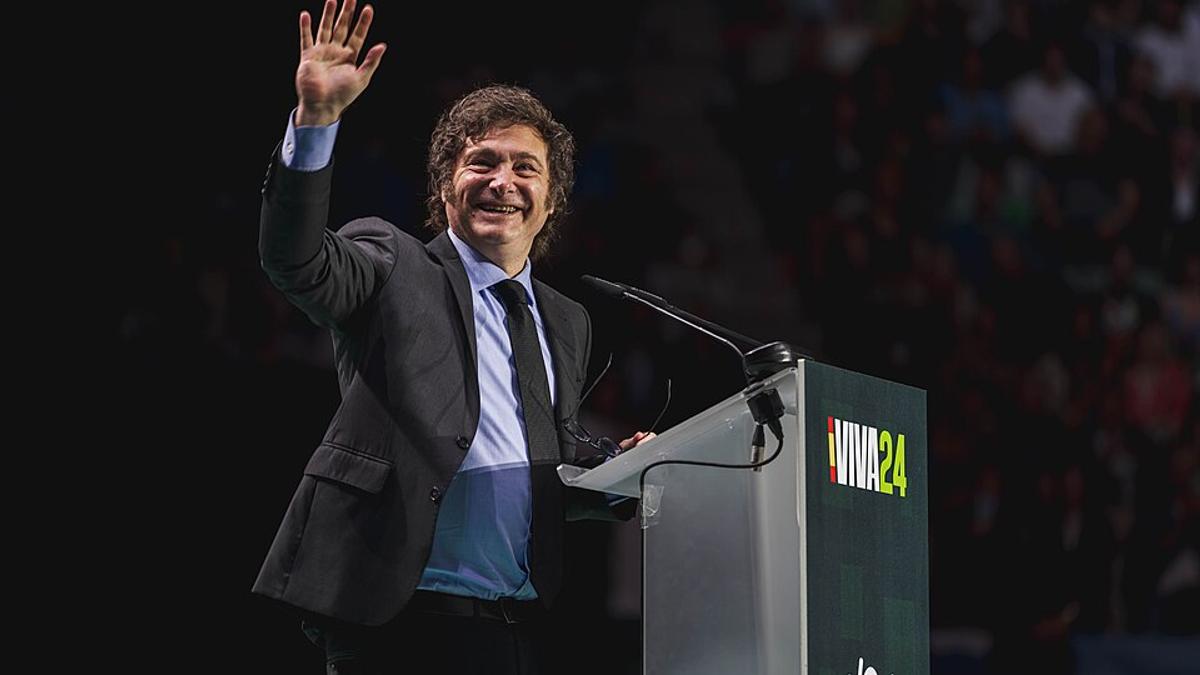
Argentine President Javier Milei and 10 others were cleared in the criminal probe over the LIBRA memecoin crash. This Milei LIBRA dismissal closes a controversial chapter for the Solana-based token.
⚡ Key Takeaways
- Argentine President Javier Milei and 10 others, including his sister, were cleared in the LIBRA memecoin criminal probe.
- The judge found insufficient evidence of fraud despite Milei's endorsement giving the Solana-based token 'greater impact.'
- LIBRA, launched February 2025, crashed over 90%, causing over $250 million in investor losses.
- The dismissal may face appeals if removed investors are reinstated by a higher court, keeping the case technically open.
| Asset | Price | 24h | Market Cap |
|---|---|---|---|
| Solana (SOL) | $101.30 | -2.43% | $59.74B |
Market data as of Oct 24, 2026 21:28 UTC (CoinGecko).
📑 Table of Contents
Argentine President Javier Milei, his sister Karina, and nine other individuals were recently cleared in a criminal probe concerning the collapsed LIBRA memecoin, marking a significant development in the high-profile Milei LIBRA dismissal case. The ruling, issued by a federal judge, concludes a controversial chapter that saw the Solana-based token plummet over 90% after Milei's public endorsement.
What Happened: Milei Cleared in LIBRA Memecoin Probe
On October 24, 2026, a federal judge in Argentina formally dismissed the criminal case against President Javier Milei and his sister Karina, along with nine other individuals, in connection with the LIBRA memecoin scandal. The dismissal also covered U.S. businessman Hayden Davis, who had described himself as an advisor to the token’s launch, and others including lobbyist Mauricio Novelli and KIP Protocol CEO Julian Peh.
Judge Marcelo Martínez de Giorgi acknowledged that President Milei's endorsement could have significantly amplified the memecoin's launch impact. However, the judge concluded that Milei's social media post and LIBRA's subsequent collapse did not provide sufficient evidence to establish fraud without proof of specific deception. Furthermore, no evidence was found that Karina Milei sought or received money for access to the president, nor that any proceeds from LIBRA reached public officials.
The controversy began in February 2025 when President Milei promoted the Solana-based LIBRA token on X, claiming it would help fund small businesses in Argentina. The token experienced an exponential price surge immediately after his endorsement but then crashed dramatically, losing over 90% of its value and wiping out more than $250 million in investor wealth. Blockchain research indicated that eight wallets linked to the token's creator had withdrawn approximately $99 million in crypto assets.
Following the crash, Milei deleted his promotional post and publicly denied any ties to LIBRA, asserting he had acted in good faith and withdrew his support upon learning more about the project. The President's office characterized the probe, which was initiated ahead of Argentina’s 2025 midterm elections, as a politically motivated attempt to harm Milei’s reputation during an election year.
Contextualizing Argentina's Crypto Landscape and Memecoin Mania
President Milei has been a vocal proponent of cryptocurrency adoption in Argentina, often highlighting its potential as a hedge against inflation and a tool for financial freedom. His administration has explored various avenues to integrate crypto into the national economy, positioning Argentina as a potentially crypto-friendly nation. This backdrop made his endorsement of LIBRA particularly significant, signaling a perceived official stamp of approval for the project.
The LIBRA incident also underscores the inherent volatility and speculative nature of memecoins. These tokens, often created with little to no fundamental utility, rely heavily on community hype, social media trends, and celebrity endorsements for their value. While some memecoins have seen astronomical gains, many, like LIBRA, end in significant losses for investors, highlighting the substantial risks involved.
LIBRA's promise to fund small businesses attempted to lend a veneer of utility to a project that ultimately followed the typical memecoin trajectory of pump-and-dump. This event, even with the dismissal of criminal charges, casts a spotlight on the broader challenges regulatory bodies face in distinguishing legitimate blockchain innovation from speculative schemes, especially when public figures are involved.
Market Impact & Solana's Role Amid Regulatory Scrutiny
While the LIBRA memecoin was a distinct project, its foundation on the Solana blockchain inherently links it to the broader Solana ecosystem. Events like high-profile crashes and subsequent legal probes, even when criminal charges are dismissed, can contribute to a narrative of regulatory scrutiny around the underlying blockchain technology. Such incidents prompt closer examination from both investors and regulators regarding the types of projects hosted on these platforms.
Solana (SOL), currently trading at $101.30, has seen a -2.43% change over the last 24 hours, contributing to its $59.74 billion market capitalization. While LIBRA's specific impact on SOL's price is indirect given the criminal case's dismissal, events like this underscore the broader regulatory focus on blockchain ecosystems that host volatile assets. The market's reaction to such news is often nuanced, reflecting a balance between the underlying technology's strengths and the perceived risks associated with projects built upon it.
Regulatory bodies globally are increasingly scrutinizing projects linked to public figures or those involved in high-profile crashes, regardless of the eventual legal outcome. This pressure encourages blockchain networks to enhance due diligence or implement stricter listing standards for tokens, even if they operate as decentralized platforms. The LIBRA case serves as a stark reminder of the reputational risks associated with hosting projects that may attract regulatory attention, even when the platform itself is not implicated in wrongdoing.
What to Watch Next: Legal Appeals and Regulatory Outlook
- Investor Appeals: Although the criminal case against Milei and others has been dismissed, the legal saga may not be entirely over. Investors who were previously removed as plaintiffs in the case have challenged their exclusion before the Federal Criminal Cassation Court. If these investors are reinstated, they could potentially appeal the dismissal of the criminal charges, reigniting the legal battle.
- Regulatory Discussions: The LIBRA incident and its aftermath are likely to fuel ongoing discussions within Argentina's government regarding the regulation of memecoins and the appropriate boundaries for public officials endorsing cryptocurrency projects. New guidelines or even legislation could emerge to prevent similar controversies in the future.
- Political Ramifications: Despite the dismissal, the political fallout from the LIBRA scandal could linger. Opponents of President Milei may continue to use the incident to question his judgment or his administration's approach to financial markets, especially with future elections on the horizon.
- Ecosystem Due Diligence: The incident could prompt the Solana ecosystem and other blockchain platforms to encourage greater due diligence from project developers and to educate users more thoroughly on the risks associated with highly speculative assets like memecoins.
Bottom Line: Milei's Legal Victory and Future Implications
The dismissal of the criminal probe against President Milei and his associates represents a significant legal victory, closing a chapter that generated considerable controversy for Argentina's pro-crypto leader. The judge's decision emphasizes the high bar for proving criminal fraud in cases involving public endorsements and speculative assets.
However, the LIBRA saga serves as a potent reminder of the inherent risks in the memecoin market and the critical need for investor protection, even as the broader crypto landscape matures. While the criminal aspect may be resolved for now, the incident's broader implications for regulatory frameworks, public figure endorsements, and the due diligence within blockchain ecosystems will undoubtedly continue to shape the conversation around crypto's future.
Frequently Asked Questions
Why was President Milei investigated in connection with the LIBRA memecoin?
President Milei was investigated because he publicly promoted the LIBRA memecoin on social media. The token subsequently crashed by over 90%, leading to significant investor losses and accusations of fraud, given his influential endorsement.
What was the judge's reasoning for dismissing the criminal case?
The judge dismissed the case due to insufficient evidence to establish criminal fraud. While acknowledging Milei's endorsement gave the token 'greater impact,' the court found no proof of specific deception or that public officials received illicit proceeds.
Is the LIBRA memecoin case definitively closed, or could it reopen?
The criminal case is not definitively closed. Investors who were removed as plaintiffs are appealing their exclusion. If reinstated by a higher court, these investors could potentially appeal the dismissal of the criminal charges, leading to further legal proceedings.
📚 Related Reading
Source: CoinDesk
Disclaimer: This article is for informational purposes only and does not constitute financial or investment advice. Cryptocurrencies are highly volatile — always do your own research.



0 تعليقات